What is the Primary Mechanical Limitation of Wearable Blood Pressure Tracking?
Wearable blood pressure tracking is the continuous or on-demand estimation of systemic arterial tension through non-invasive sensors integrated into a portable wristpiece, ring, or patch. These tools relay data to host software to monitor vascular performance curves.
The clinical management of chronic hypertension faces a persistent hurdle in consumer compliance. Traditional oscillometric upper-arm cuffs deliver exceptional accuracy, yet their bulk and restrictive nature mean patients rarely capture readings during acute, real-world stressors. When a patient experiences transient, stress-induced spikes throughout a demanding workday, the absence of an immediate, discreet testing method frequently leaves these critical hypertensive events completely unrecorded.
A vivid illustration of this challenge occurred during a remote health monitoring initiative. A participant with labile hypertension routinely logged normal, relaxed readings on an upper-arm device every morning. However, they consistently suffered from unexplained afternoon headaches. Without a real-time tracking tool available during their fast-paced professional routine, discovering that their vascular system was experiencing severe, work-induced pressure spikes took weeks of diagnostic guesswork.
The introduction of specialized consumer wearables directly bridges this diagnostic gap. By pairing miniature wrist-worn sensors with mobile computing platforms, individuals can now log hemodynamic data instantly from any location. This integration moves health tracking away from restrictive medical environments and transforms it into an active, lifestyle-compatible diagnostic ecosystem that continuously optimizes wearable blood pressure tracking.
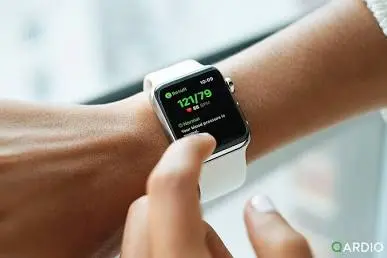
How Do Photoplethysmography and Micro-Inflatable Cuffs Capture Vascular Data?
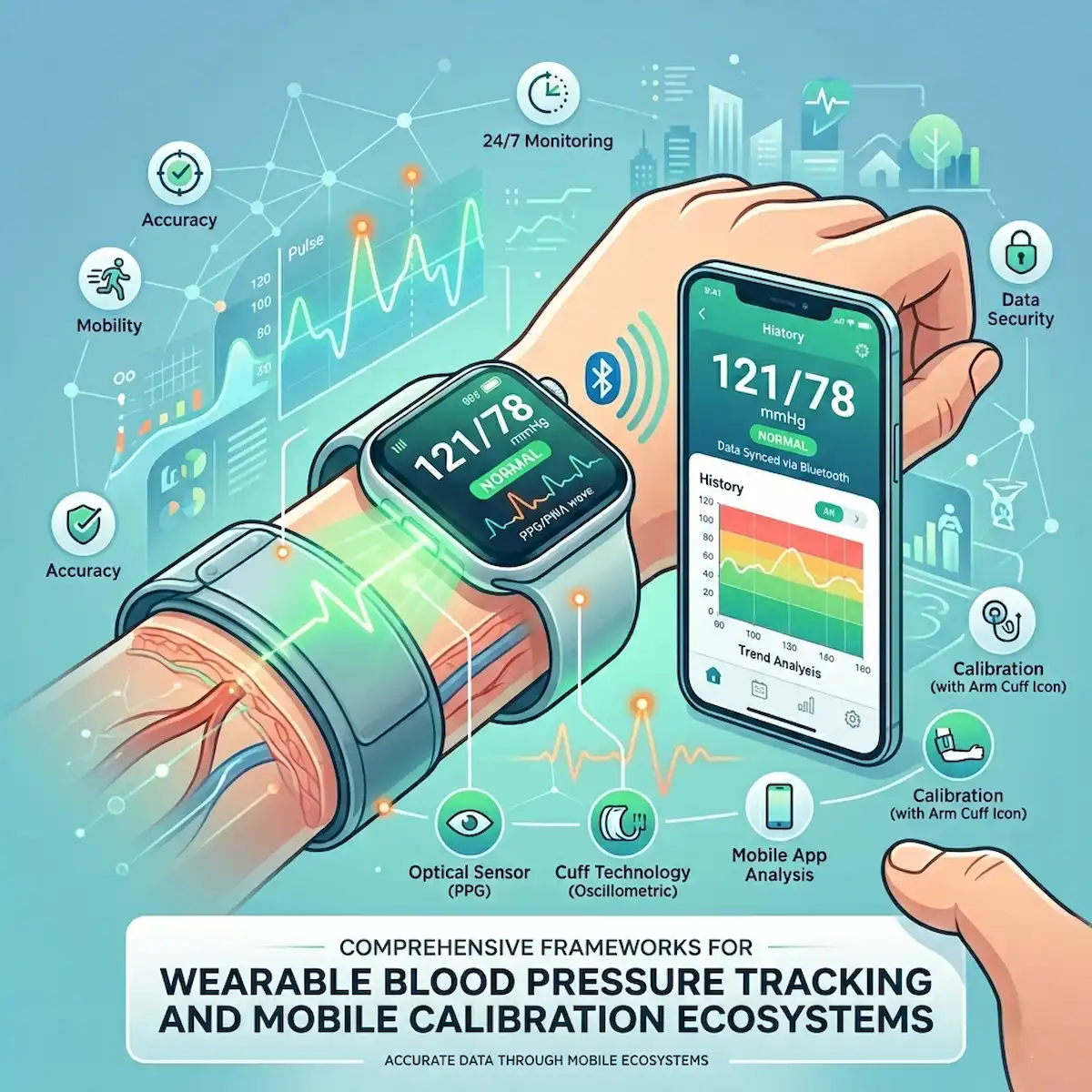
Modern wrist-worn units capture arterial metrics using two primary methodologies: optical wave analysis and mechanical micro-oscillometry. The most common method uses photoplethysmography (PPG) sensor arrays, which are integrated directly into the back-casing of everyday smartwatches. Maximizing wearable blood pressure tracking precision depends entirely on how effectively these individual sensors interface with peripheral tissue.
Optical Sensing Method (PPG):
Green/Infrared LED Array emits light into subcutaneous tissue, causing blood vessels to expand and contract. A CMOS sensor detects reflected light intensity changes, and an algorithm computes pulse wave contours.
Mechanical Sensing Method (Micro-Cuff):
A smartphone command activates a micro-pump, causing rigid wrist strap inflation. A sub-strap miniature bladder compresses the radial artery, allowing a pressure transducer to capture true physical oscillations.
The optical method relies on a simple physiological principle documented by institutions like the IEEE Xplore Digital Library. As the heart pumps blood during systole, a localized surge of oxygenated hemoglobin expands the blood vessels in the wrist, absorbing more green or infrared light. During diastole, this blood volume drops, allowing more light to bounce back to the device’s optical sensor. By capturing these shifts at a high frequency, the wearable generates a distinct pulse wave contour.
The mechanical method utilizes an automated micro-pump to inflate a small bladder lining the inside of the watch strap. This inflation compresses the radial artery, allowing built-in transducers to measure physical pressure fluctuations directly through the wrist. This approach mirrors the performance of a clinical arm cuff on a much smaller scale, removing the optical interference caused by skin tone variations or shifting ambient light to reinforce reliable wearable blood pressure tracking data.
Which Wearable Devices Deliver Verified Clinical Reliability?
Clinical device verification is the formal testing of diagnostic consumer hardware against recognized international safety and precision criteria. This verification guarantees that commercial sensor readouts consistently align with established medical metrics.
When building a dependable mobile tracking routine, choosing a wearable with verified testing performance is essential for long-term health tracking. Recent clinical data highlights distinct performance differences among leading consumer brands.
| Manufacturer and Specific Model | Core Pressure Capture Technology | Required Smartphone Companion App | International Clinical Certification Status | Ideal Target User Profile |
| Huawei Watch D2 | 26.5mm Mechanical Airbag Strap | Huawei Health App (Cross-platform support) | CE MDR Certified, Validated under ISO 81060-2 protocols | Patients requiring rigorous, automated 24-hour ambulatory tracking |
| YHE BP Doctor Fit | Micro-Inflatable Mechanical Wrist Cuff | BP Doctor App (iOS and Android compatible) | Independent clinical tests reveal variance within ±8 mmHg | Individuals seeking true physical cuff measurements on the go |
| Samsung Galaxy Watch 8 | Multi-Spectral Photoplethysmography Sensors | Samsung Health Monitor (Galaxy exclusive) | Regional clearance; requires baseline cuff resets | Users fully committed to a single, continuous health ecosystem |
The Huawei Watch D2 stands out as a highly reliable option for wearable blood pressure tracking due to its specialized physical mechanism. Unlike purely light-based systems, it features a 26.5 mm ultra-narrow mechanical airbag strap that physically inflates to occlude radial artery flow, replicating standard medical equipment.
According to peer-reviewed studies available through the National Center for Biotechnology Information, the device achieved validation for both resting and 24-hour ambulatory monitoring. By selecting a device backed by independent clinical trials, users can capture authentic hemodynamic trends throughout the day, ensuring their daily logs reflect true physiological changes.
How Does Algorithmic Processing Convert Wrist Pulses Into Numerical Data?
Pulse Wave Contour Analysis is the mathematical calculation of individual pulse wave slopes, peak intervals, and reflection notches to determine arterial compliance. This process transforms raw sensor inputs into specific systolic and diastolic numbers.
Converting raw sensor readings from a wristwear device into an accurate millimeter-of-mercury (mmHg) output requires advanced digital signal processing. When the wearable transfers its raw data package to a paired smartphone via Bluetooth Low Energy, the mobile application’s algorithm begins a multi-stage filtering process to derive clear metrics.
Wearable Sensor Data Stream Processing:
The raw wearable sensor stream enters a bandpass filtering array, which removes high-frequency tremors and motion artifacts. Next, a first derivative mapping identifies the maximum systolic upslope velocity, followed by a second derivative analysis to measure vascular stiffness and reflection points. Finally, Pulse Transit Time (PTT) and Pulse Arrival Time (PAT) metric extraction computes the velocity of the peripheral pressure wave, which passes through a baseline calibration filter to yield numerical systolic and diastolic values.
A core element of this mathematical calculation is Pulse Transit Time (PTT), a concept extensively detailed in cardiovascular journals indexed on ScienceDirect. This value measures the time it takes for a pressure wave to travel from the heart’s initial contraction to a peripheral point like the wrist. According to fluid dynamics, as systemic blood pressure rises, arterial walls stiffen, causing the pulse wave to travel faster.
By combining PTT measurements with metrics for total systolic rise time and downstream wave decay, the smartphone application builds an individualized profile of the user’s vascular behavior. This layered approach allows the system to filter out minor variations caused by simple temperature changes or skin movement, preserving the accuracy of the underlying wearable blood pressure tracking data.
Why Is Reference Calibration Critical For Optical Wearable Sensors?
A primary constraint of purely optical, sensor-based wearables is their reliance on regular manual calibration. Because these optical sensors track relative blood volume shifts rather than measuring absolute physical force, the app’s software must be anchored to a known physical reference point to maintain long-term wearable blood pressure tracking stability.
Step 1: Preparation Protocols
Sit quietly for 5 full minutes in a supportive chair with feet flat on the floor. Avoid caffeine, nicotine, or exercise for 30 minutes before testing.
Step 2: Reference Measurement
Attach a validated pneumatic upper-arm cuff to the opposite arm and execute a standard reading.
Step 3: Wearable Initiation
Start the wearable’s testing routine within 60 seconds of the arm cuff check, keeping the watch arm supported at heart level.
Step 4: Software Ingestion
Manually type the systolic and diastolic numbers from the arm cuff into the smartphone’s tracking application.
Step 5: Matrix Alignment
The mobile software updates its internal calculation models, matching the optical wave shapes to the physical reference numbers.
Without this regular calibration step, the software’s mathematical models can drift, leading to inaccurate readings over time. Entering a physical reference point every 28 days keeps the predictive models accurate, helping to ensure the app continues to track true cardiovascular changes rather than minor fluctuations in skin-level circulation. This continuous anchoring prevents data drift and safeguards the consistency of your wearable blood pressure tracking logs, a necessity highlighted in user guidelines by the American Heart Association.
How Do Tracking Solutions Perform Across Practical Environments?
Selecting the right device requires understanding how different tracking methods perform in everyday situations. Each technology reacts uniquely to environmental factors, which directly impacts wearable blood pressure tracking consistency.
| Daily Use Case Scenario | Optical Smartwatches (e.g., Galaxy Watch) | Micro-Inflatable Wrist Units (e.g., Watch D2) | Connected Upper-Arm Monitors (e.g., Omron Platinum) |
| Desk-Bound Office Work | Highly discrete; passive tracking logs patterns silently | Visible strap inflation; requires a short pause in movement | Impractical for meetings; requires removing clothing layers |
| Active Exercise Sessions | High error rates due to arm motion and sweat interference | Movement introduces errors; requires stopping to run a test | Cannot be used during motion; strictly designed for rest |
| Sleep Quality Monitoring | Lightweight and comfortable; tracks overnight trends | Programmed nighttime inflation; minimal sleep disruption | Completely unsuitable for overnight wear or sleep checks |
| Cold Outdoor Environments | Reduced surface circulation can lower signal accuracy | Physical bladder inflation bypasses surface skin issues | Unaffected by weather; remains accurate across temperatures |
While an optical smartwatch provides unmatched comfort for everyday fitness tracking, a micro-inflatable wrist device offers far superior reliability during a hectic workday where physical factors might interfere with light-based sensors. Balancing these environmental strengths ensures users collect dependable data throughout the day, optimizing the real-world deployment of wearable blood pressure tracking platforms.
What Technical Solutions Fix the Most Common Wearable Errors?
Even the most advanced wearable tracking systems can deliver inaccurate results if the user uses improper technique or encounters data sync errors, which degrades overall wearable blood pressure tracking efficacy.
- Problem: Sensor Shift and Optical Leaks. If a smartwatch is worn too loosely, moving the arm allows outside light to enter the optical sensor, distorting the pulse wave readings.
- Solution: Modern tracking apps check signal quality before starting a test. If the app detects light leaks, it pauses the reading and prompts the user to tighten the strap, protecting the accuracy of the wearable blood pressure tracking.
- Problem: Incorrect Arm Positioning. Resting the watch arm on the lap or letting it hang down during a test changes the hydrostatic pressure, leading to artificially elevated numbers.
- Solution: Devices utilize built-in accelerometers to detect the angle of the arm. The application will block a measurement from starting until the user brings the wearable to the correct height, level with their heart, stabilizing the wearable blood pressure tracking framework.
- Problem: Bluetooth Connection Timeouts. Environmental interference from routers or other wireless electronics can cause data sync failures between the wearable and the smartphone app.
- Solution: Modern health applications include an automated local cache. If the Bluetooth connection drops, the wearable securely stores the measurement on its internal memory and uploads the data automatically once the wireless link is re-established, ensuring no gaps occur in the wearable blood pressure tracking log.
Addressing these common physical and technical issues through smart device design helps ensure that home health logs remain consistent, accurate, and useful for long-term health tracking.
How Does Wearable Blood Pressure Tracking Adapt to Diverse Use Cases?
The practical value of tracking cardiovascular metrics changes dramatically depending on an individual’s specific health goals and daily routine. Different populations require distinct data collection frequencies to maximize the utility of their wearable blood pressure tracking systems.
- Ambulatory Monitoring for Hypertension Diagnosis: For individuals experiencing borderline readings at the clinic, white-coat syndrome can mask their true cardiovascular baseline. Utilizing a device like the Huawei Watch D2 allows for automated, multi-point ambulatory tracking, capturing blood pressure readings every 20 minutes during daytime routines and hourly overnight. This rich data set gives physicians a clear view of true daily trends, bypassing clinic anxiety.
- Occupational Stress Tracking in Fast-Paced Workplaces: High-stress professions often cause temporary, sharp blood pressure spikes that normal morning or evening checks miss entirely. A discreet wearable allows professionals to initiate a quick 30-second measurement immediately following a demanding task, linking specific workplace stressors directly to immediate physical responses within their tracking logs.
- Post-Medication Titration Feedback: Patients starting a new antihypertensive regimen need to closely monitor how quickly and effectively their medication works. By logging measurements at structured intervals after taking a dose, users can provide their cardiologists with clear, visual evidence of the medication’s absorption and performance window.
- Overnight Hemodynamic Safety Monitoring: Nocturnal hypertension, where blood pressure fails to drop naturally during sleep, is an independent risk indicator for cardiovascular events. Lightweight wearables can run scheduled, silent inflation cycles or continuous optical wave tracking overnight, capturing vital patterns without waking the user.
Matching the specific capabilities of your wearable device to your primary health goals ensures that the collected data remains highly practical, actionable, and aligned with professional medical standards.
What Specific Industry Insights Control Wearable Sensor Performance?
Behind the polished interfaces of consumer health applications lies a complex set of engineering trade-offs that directly impact measurement stability. Understanding these insider manufacturing choices helps clarify why certain devices perform more consistently than others under demanding conditions.
A primary design challenge centers on strap elasticity and material degradation. For devices that utilize physical micro-inflation bladders, the outer watch strap must be completely rigid to ensure the expanding air bladder forces its pressure downward onto the radial artery rather than stretching the strap outward. Over months of daily use, exposure to skin oils, sweat, and temperature changes can subtly degrade the synthetic elastomers within the airbag, leading to minor pressure losses that require advanced software algorithms to detect and correct.
Another key engineering factor is the algorithm weighting assigned to motion artifact rejection. When a user moves their wrist even slightly during a measurement, the movement creates physical noise that can completely overwhelm the microvascular pulse signal.
To counteract this, top-tier manufacturers design their software to cross-reference the optical or pressure data against high-frequency inputs from an internal 6-axis gyroscope. If the gyroscope registers movement above a strict threshold, the app automatically deletes that segment of data. This design priority explains why medical-grade wearables often take slightly longer to complete a reading but deliver significantly more reliable results than budget wellness trackers.
Frequently Asked Questions Regarding Mobile Cardiovascular Wearables
Can any standard smartwatch track my blood pressure out of the box?
No, blood pressure tracking requires specialized hardware and software support. A device must feature either validated optical pulse wave analysis software or a built-in micro-inflatable wrist strap. Standard fitness trackers that lack these dedicated systems cannot calculate systolic or diastolic numbers, meaning true wearable blood pressure tracking is unavailable on basic consumer models.
Why do some smartwatches require regular testing with an arm cuff?
Optical sensors measure changes in blood volume rather than direct physical force. Regular calibration against a standard upper-arm cuff gives the app’s software a verified reference point, ensuring its mathematical models continue to accurately interpret your pulse waves and preserve wearable blood pressure tracking consistency.
Is a wrist-inflating wearable as accurate as a doctor’s arm cuff?
Devices that feature a physical, micro-inflatable wrist strap provide accuracy that closely matches traditional arm cuffs. However, because the blood vessels in the wrist are smaller and closer to the skin than those in the upper arm, maintaining proper arm posture during tests is crucial to achieving consistent wearable blood pressure tracking results.
Can tattoos or darker skin tones affect optical blood pressure tracking?
Yes, high levels of melanin or tattoo ink near the skin surface absorb green light wavelengths more readily, which can weaken the signal for standard optical sensors. Devices that use multi-spectral arrays, infrared light, or physical micro-inflatable cuffs bypass this issue entirely to provide reliable wearable blood pressure tracking for all users.
How do modern health applications protect my medical data?
Reputable health platforms secure your personal data using advanced encryption standards when storing or transmitting readings. Integrating your device with established hubs like Apple Health or Google Health Connect ensures your data remains protected under modern mobile privacy guidelines, independent of real-time wearable blood pressure tracking activities.
What happens if I wear the watch strap too loosely during a test?
A loose strap allows ambient light to leak into the optical sensor or prevents an inflatable bladder from properly compressing the radial artery. This physical misalignment leads to highly inaccurate, artificially low readings, making proper strap tension essential for reliable wearable blood pressure tracking.
Can wearable tracking devices detect an irregular heartbeat?
Many advanced wearables include pulse wave arrhythmia analysis alongside their blood pressure features. While these systems can flag irregular pulse rhythms during a test, they are designed for screening purposes and should always be verified with a clinical ECG framework.
Additional Helpful Information
Learn about calibrating smartwatch for blood pressure measurements – How to Master Calibrating Smartwatches for Blood Pressure Accuracy